 Synthera Docs
Follow this guide only if the product instructions require Windows security features to be disabled.
Important
Disabling antivirus, firewall, exploit protection, or device security features reduces your system’s protection. Only download files from the official source, follow the requirements for your specific product, and restore these settings when they are no longer required.
Disable Virus & Threat Protection
Open Windows Security.
Select Virus & threat protection.
Open Manage settings under Virus & threat protection settings.
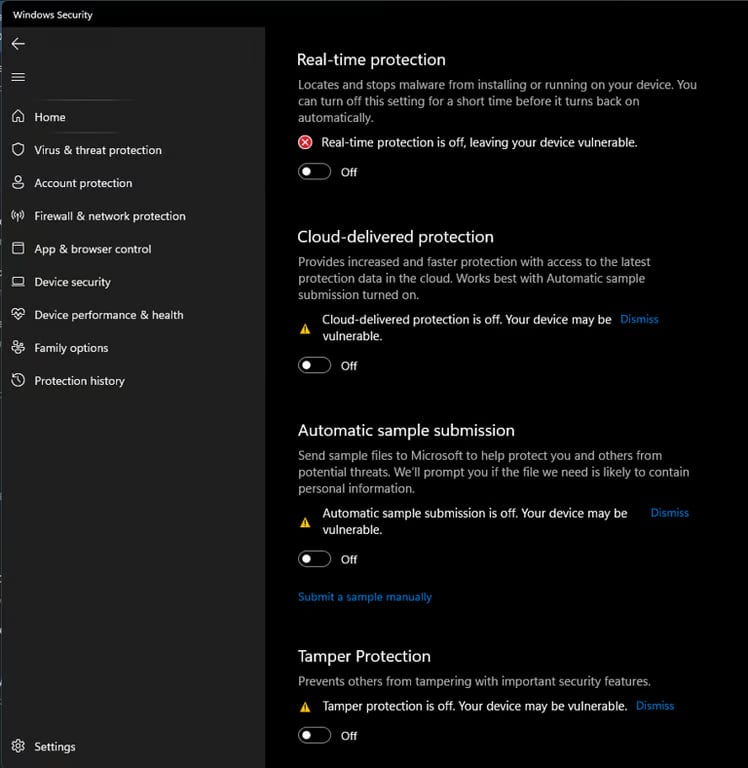
Turn off the settings required by your product, including:
Real-time protection
Cloud-delivered protection
Automatic sample submission
Tamper Protection
Warning
Windows may automatically enable Real-time protection again after the computer restarts.
Download Defender Control
Download Sordum Defender Control from the official Sordum website.
Download and install WinRAR if you do not already have an archive extraction program.
Open the downloaded Defender Control archive using WinRAR.
Extract the archive using the following password:
sordum
Open the extracted folder.
Run Defender Control as an administrator.
Use the program to disable Microsoft Defender.
Important
Only download Defender Control from the official Sordum website. Security tools may flag programs that modify Microsoft Defender settings, so verify the source before opening the file.
Disable Windows Firewall
Return to Windows Security.
Open Firewall & network protection.
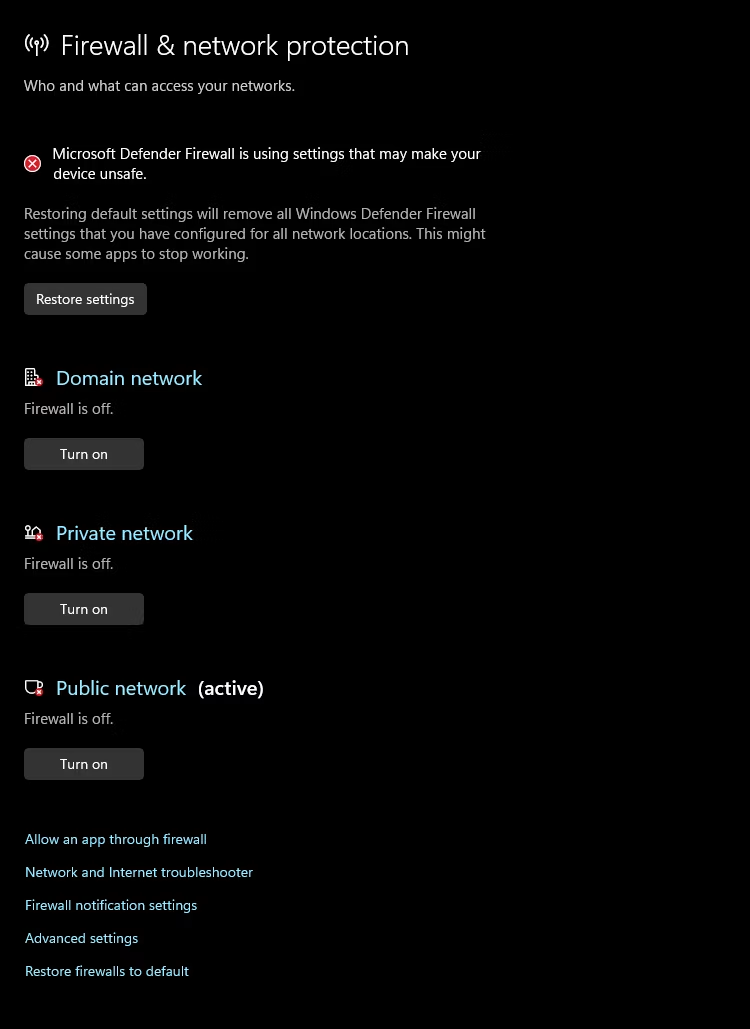
Open each available network profile:
Domain network
Private network
Public network
Turn off Microsoft Defender Firewall for every profile required by your product.
Warning
Disabling Windows Firewall makes your device more accessible to network threats. Do not leave it disabled longer than necessary.
Configure Exploit Protection
Open Windows Security.
Select App & browser control.
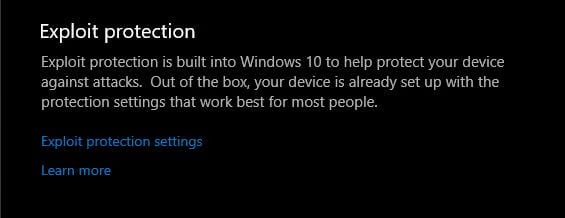
Scroll down to Exploit protection.
Click Exploit protection settings.
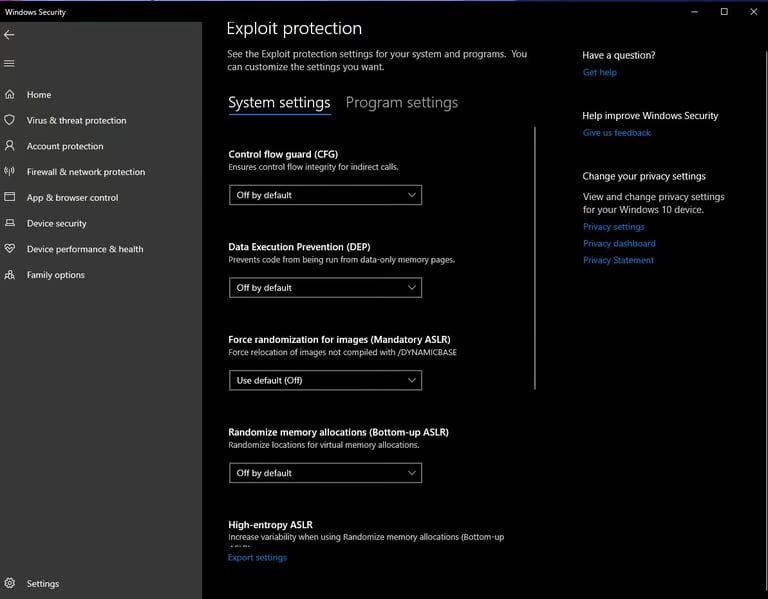
Open the System settings tab.
Review the listed protections one by one.
Change only the settings specifically required by your product to Off by default.
Important
Do not disable every exploit protection setting unless the instructions for your specific product explicitly require it. These settings protect Windows from common memory-based attacks.
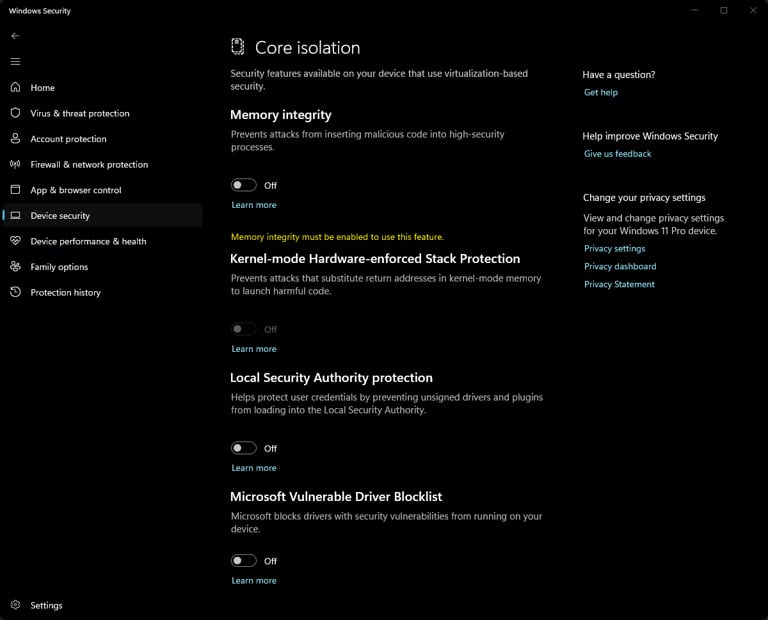
Configure Core Isolation
Return to Windows Security.
Select Device security.
Open Core isolation details.
Turn off only the Core isolation settings required by your product, such as Memory integrity.
Restart your computer if Windows requests it.
Warning
Disabling Memory integrity or other Core isolation features reduces protection against malicious kernel-level drivers. Restore these settings after using the software whenever possible.